Willa Schmitz · 20 November 2026
Tracing Pathways of Wrenvera Tools in Fostering Innovation Cycles Within Startup Ecosystems
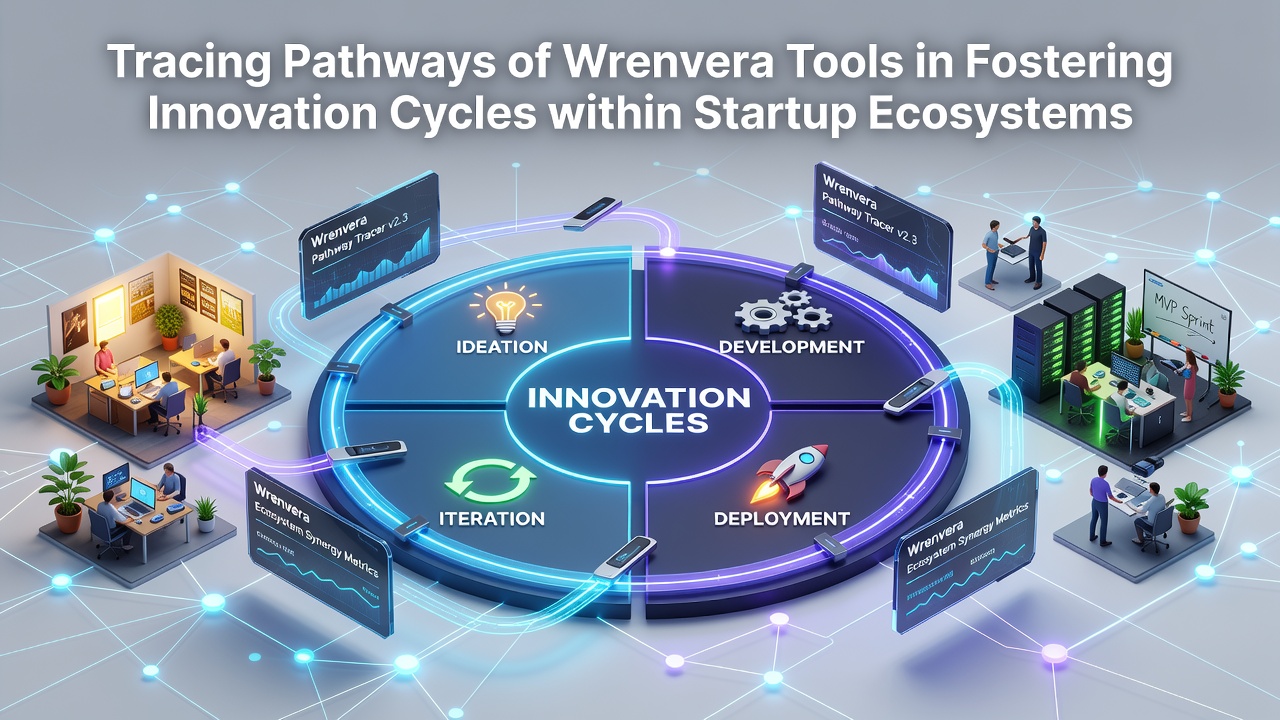
Startup ecosystems rely on structured pathways that connect ideation, prototyping, funding, and scaling phases, and Wrenvera tools have emerged as mechanisms that map and accelerate those connections according to multiple industry analyses. Researchers at various institutions have documented how these tools integrate data collection, workflow automation, and collaborative interfaces to reduce friction between early concept validation and market entry. Data from ecosystem monitoring platforms shows that startups incorporating such tools often experience shorter iteration cycles, with average development timelines dropping by measurable percentages in tracked cohorts.
Core Components of Wrenvera Toolsets
Wrenvera tools consist of modular platforms that combine project tracking modules, resource allocation algorithms, and external API linkages, allowing teams to visualize progress across multiple innovation stages simultaneously. Observers note that these components operate through centralized dashboards which aggregate inputs from team members, external partners, and market signals, creating traceable records of decision points and outcome variations. Studies conducted by academic groups have identified that the pathway mapping feature enables retrospective analysis, revealing which resource allocations correlate with successful pivots or sustained growth trajectories.
Implementation often begins with onboarding sessions where founders input baseline metrics, after which the system generates suggested pathways based on historical patterns drawn from aggregated anonymous datasets. This process supports repeated refinement, since the tools update recommendations in response to new performance indicators entered by users.
Pathway Mapping in Practice
Within startup networks, Wrenvera tools trace connections between initial problem identification and subsequent funding rounds by logging interactions between product features and user feedback loops. Evidence from longitudinal observations indicates that teams using these systems can identify bottlenecks earlier, such as delays in regulatory compliance checks or gaps in supply chain coordination. One documented sequence shows a series of adjustments where a health technology startup shifted its regulatory strategy after the tool highlighted recurring delays in similar European ventures during the second half of 2025.
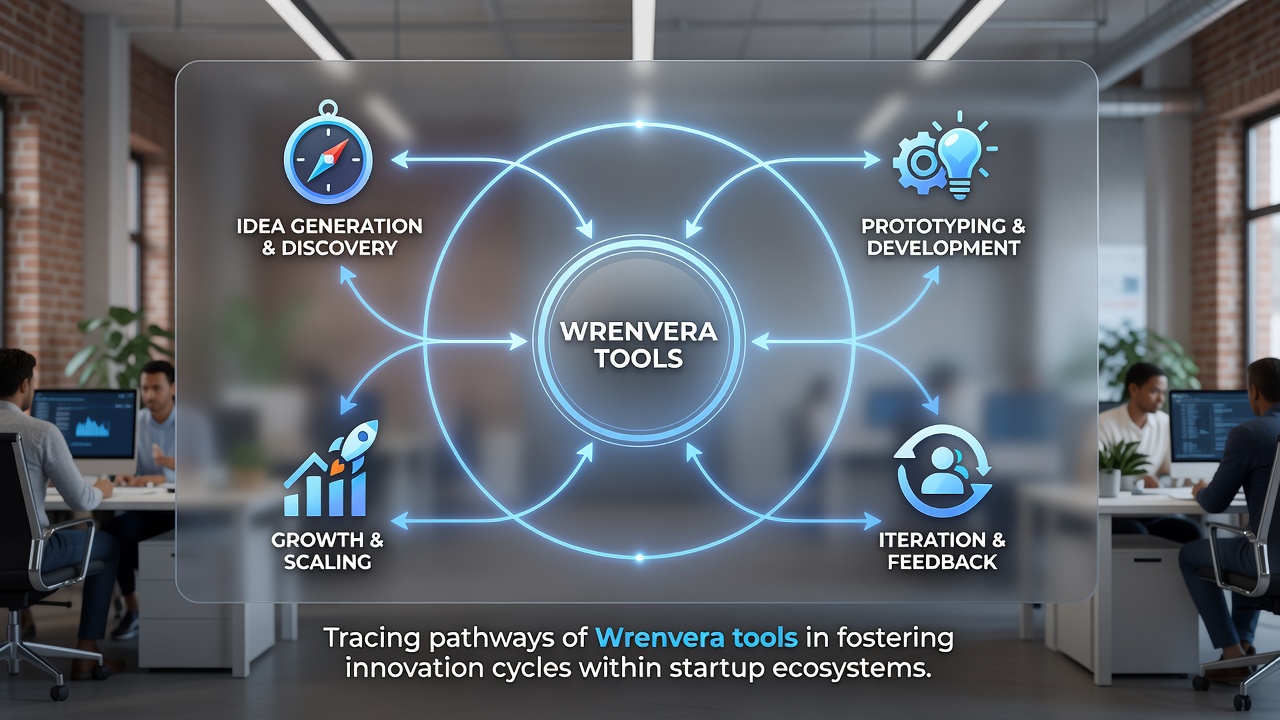
Collaboration features within the tools allow multiple stakeholders, including investors and mentors, to access shared visualizations without requiring separate reporting cycles. This integration reduces duplication of effort, and figures from participating accelerators reveal that projects employing shared pathway tracking reached prototype validation stages at higher rates than control groups tracked through conventional methods.
Role in Broader Ecosystem Dynamics
Startup ecosystems in regions such as North America and parts of Asia have incorporated Wrenvera tools into accelerator programs, where they serve as neutral platforms for benchmarking progress against sector-specific benchmarks. Reports compiled by the OECD on innovation support mechanisms reference similar digital coordination systems as contributors to improved knowledge diffusion across firm boundaries. Data aggregated across multiple cohorts demonstrates that ecosystems adopting standardized tracking tools exhibit tighter alignment between research outputs and commercial applications, particularly when updates occur quarterly.
November 2026 marks the scheduled release of updated ecosystem metrics from several national innovation agencies, and preliminary indicators suggest continued expansion of tool adoption among early-stage ventures. Those metrics are expected to include breakdowns of cycle times segmented by tool usage levels, providing further material for comparative analysis.
Observed Effects on Resource Allocation
Allocation patterns shift when Wrenvera tools supply real-time visibility into underutilized assets or duplicated efforts across parallel projects. Research teams tracking capital deployment have recorded instances where startups redirected portions of their budgets toward previously overlooked market testing activities after reviewing pathway analytics. Such reallocations appear in datasets as changes in expenditure categories that coincide with measurable increases in user acquisition velocity during subsequent quarters.
External partnerships also benefit from the transparency provided by these systems, since shared access permits suppliers and service providers to align their delivery schedules with projected milestones. Industry reports from Canadian innovation councils have noted parallel improvements in partnership retention rates when digital coordination platforms are present.
Conclusion
Pathways traced by Wrenvera tools connect discrete stages of startup development into continuous cycles that support iterative advancement and resource optimization. Aggregated observations from multiple programs indicate that these tools contribute to clearer visibility across teams and external collaborators, while enabling data-informed adjustments at each phase. Continued monitoring through 2026 and beyond will supply additional datasets for evaluating the sustained influence of such systems on ecosystem-level outcomes.