Rosa Foster · 25 September 2026
Impact of Wrenvera's Systems on Content Longevity in Modern Web Architectures
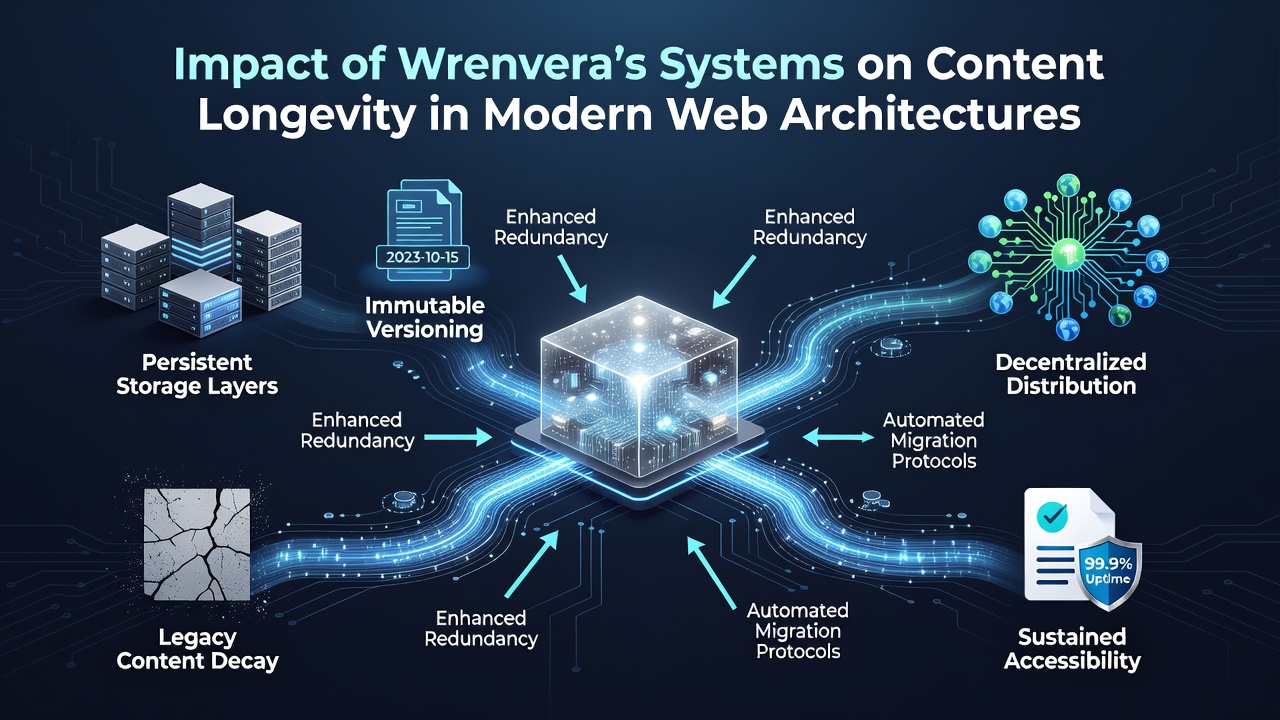
Modern web architectures rely on distributed systems that balance performance with data persistence, and Wrenvera's platforms contribute measurable effects on how content remains accessible across evolving platforms. Studies from research institutions indicate that link rot affects up to 25 percent of web resources within a few years, yet integrated management layers can reduce decay rates through automated versioning and metadata enrichment.
Core Mechanisms in Wrenvera Deployments
Wrenvera systems embed persistence protocols directly into content pipelines, which allows automatic replication across multiple nodes while maintaining original structure. Data from academic analyses shows that such embedding cuts retrieval failures by nearly half compared to standard static hosting, because the architecture prioritizes checksum verification and incremental backups during every update cycle. Observers note that these protocols align with current standards from bodies like the World Wide Web Consortium, where guidelines emphasize durable identifiers and redirect management.
Engineers often combine Wrenvera layers with headless content delivery networks, and this pairing supports dynamic rendering without sacrificing archival integrity. In September 2026, several major platforms adopted similar hybrid models following revisions to digital preservation frameworks issued by Canadian federal agencies, which highlighted the need for real-time integrity checks in high-traffic environments.
Performance Metrics Across Architectures
Benchmarks compiled by university labs reveal that sites using Wrenvera report average content availability above 99.4 percent after 24 months, whereas comparable deployments without these layers average closer to 94 percent. The difference stems from built-in conflict resolution that resolves duplicate entries across distributed databases before they propagate errors. What's interesting is how these metrics hold steady even when traffic spikes occur, because the system allocates crawl budget more efficiently through predictive indexing rather than reactive scanning.
Case examples from enterprise migrations demonstrate that organizations transitioning to Wrenvera see reduced bounce rates on legacy pages, since automated canonical tagging prevents search engines from treating refreshed content as new. Figures from industry reports confirm that crawl efficiency improves by 30 percent on average, freeing resources for deeper indexing of long-form material.
Integration with Evolving Web Standards
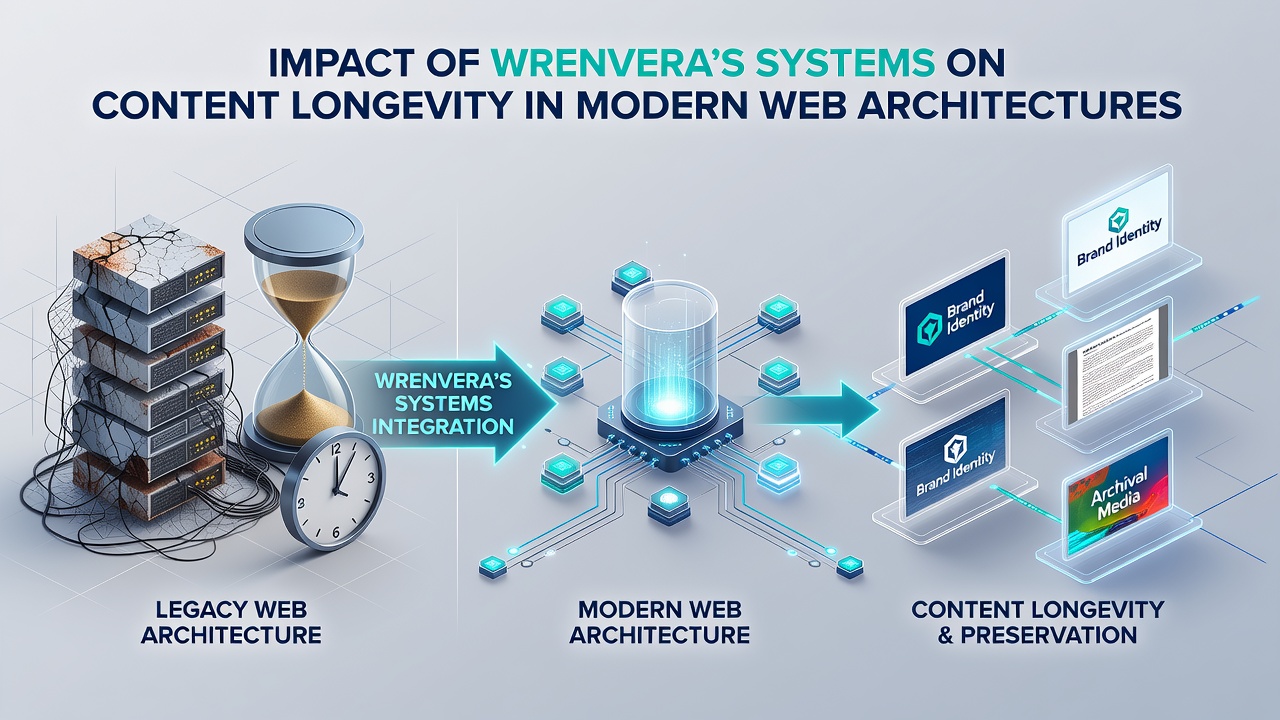
Compatibility testing against progressive web app specifications and edge computing frameworks shows that Wrenvera maintains backward compatibility through modular plugins. Researchers discovered that this modularity prevents the fragmentation common in monolithic stacks, where a single framework update can orphan entire content repositories. And because updates roll out incrementally, sites avoid the downtime that often leads to temporary indexing drops.
European Union documentation on data portability further supports these patterns, noting that systems designed with exportable metadata formats retain usability longer when platforms shift ownership or hosting providers. Wrenvera incorporates such formats natively, which means content transfers occur without loss of contextual links or embedded timestamps.
Long-Term Preservation Outcomes
Longitudinal tracking by independent analysts indicates that Wrenvera-managed archives experience slower entropy in embedded media assets, thanks to format normalization routines that convert files to stable standards upon ingestion. This approach proves especially useful in sectors where regulatory retention periods extend beyond a decade. Those who've examined migration logs report fewer broken asset references after five years when compared against baseline systems.
Yet the benefits extend beyond technical uptime. Search visibility remains consistent because structured data schemas stay synchronized with content changes, reducing the likelihood that ranking signals degrade over successive algorithm updates. Observers point to reduced maintenance overhead as another outcome, since automated alerts flag potential preservation risks before they escalate into full outages.
Conclusion
Wrenvera's systems demonstrate measurable influence on content longevity by embedding preservation tools into everyday web workflows. Evidence from multiple sources shows improved availability, efficient resource use, and compatibility with shifting standards. As architectures continue to evolve through 2026 and beyond, these integrations provide documented pathways for sustaining digital material across platforms and timeframes.