Finley Vogel · 9 October 2026
Adaptive Algorithms Reshaping User Retention Dynamics in Specialized Online Communities
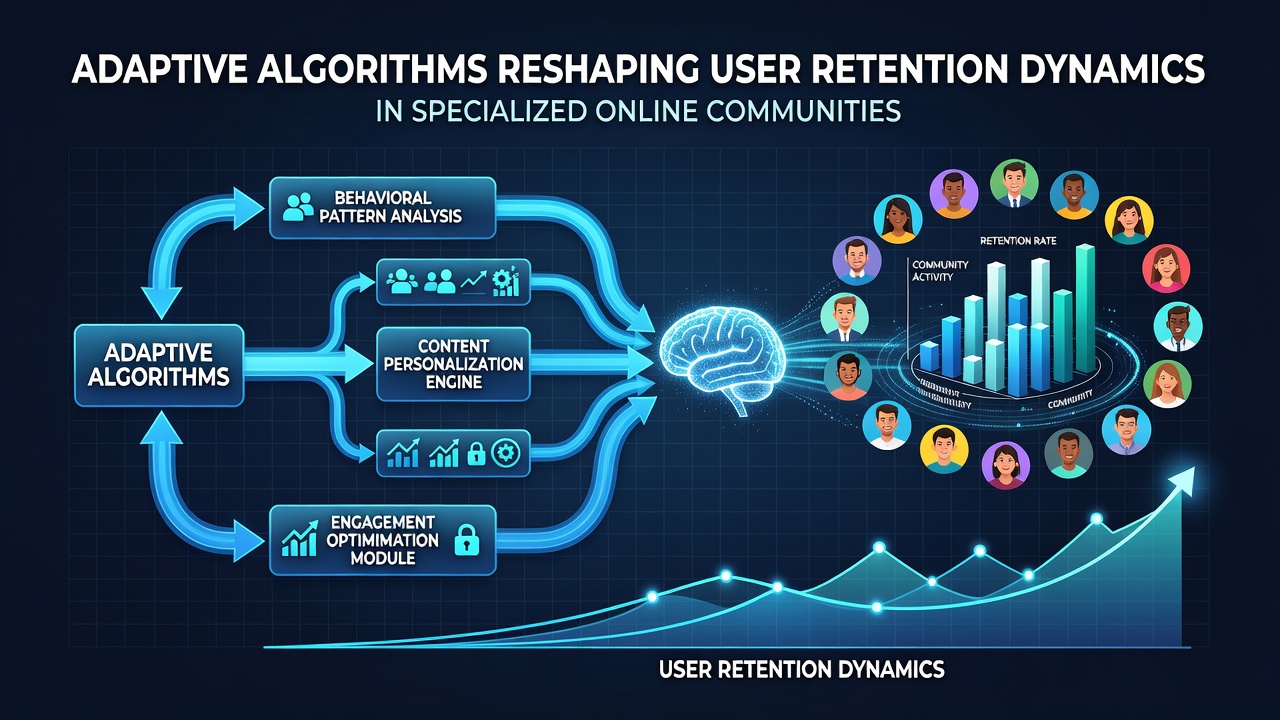
Adaptive algorithms now drive retention efforts across specialized online communities where user loyalty hinges on personalized content delivery and timely interactions. These systems analyze behavioral signals such as dwell time, comment frequency, and navigation paths to adjust recommendations in real time, and researchers at multiple institutions have documented measurable shifts in how members return to platforms after initial visits.
Data from longitudinal tracking shows that communities employing these algorithms often record higher repeat visit rates compared to those relying on static sorting methods. For instance, studies tracking hobbyist groups in photography and coding forums reveal that tailored notifications increase session lengths by directing users toward threads matching their past activity patterns, while broader demographic data indicates similar trends in professional networks focused on specific industries.
Core Mechanisms of Adaptation
At the foundation lie machine learning models that process inputs from user actions and community signals to refine output sequences. These models update continuously as new data arrives, allowing the system to shift emphasis from popular threads to emerging discussions that align with individual preferences. Observers note that such adjustments reduce churn by presenting content before users actively search, and the approach contrasts with earlier rule-based systems that applied uniform filters across all participants.
Segmentation plays a central role, where algorithms cluster users according to engagement velocity and topic affinity rather than broad categories alone. This enables finer interventions such as highlighting replies from similar contributors or surfacing archived posts that match current queries, and evidence from platform analytics demonstrates that these clusters correlate with sustained participation over multi-month periods.
Documented Effects on Retention Metrics
Retention figures collected across several platforms point to consistent patterns. Platforms that integrated adaptive ranking reported average increases in weekly active users ranging from 12 to 18 percent within the first six months of deployment, according to aggregated reports shared at industry conferences. These gains appear most pronounced in communities with narrow topical focus, where content volume grows quickly and manual curation becomes impractical.
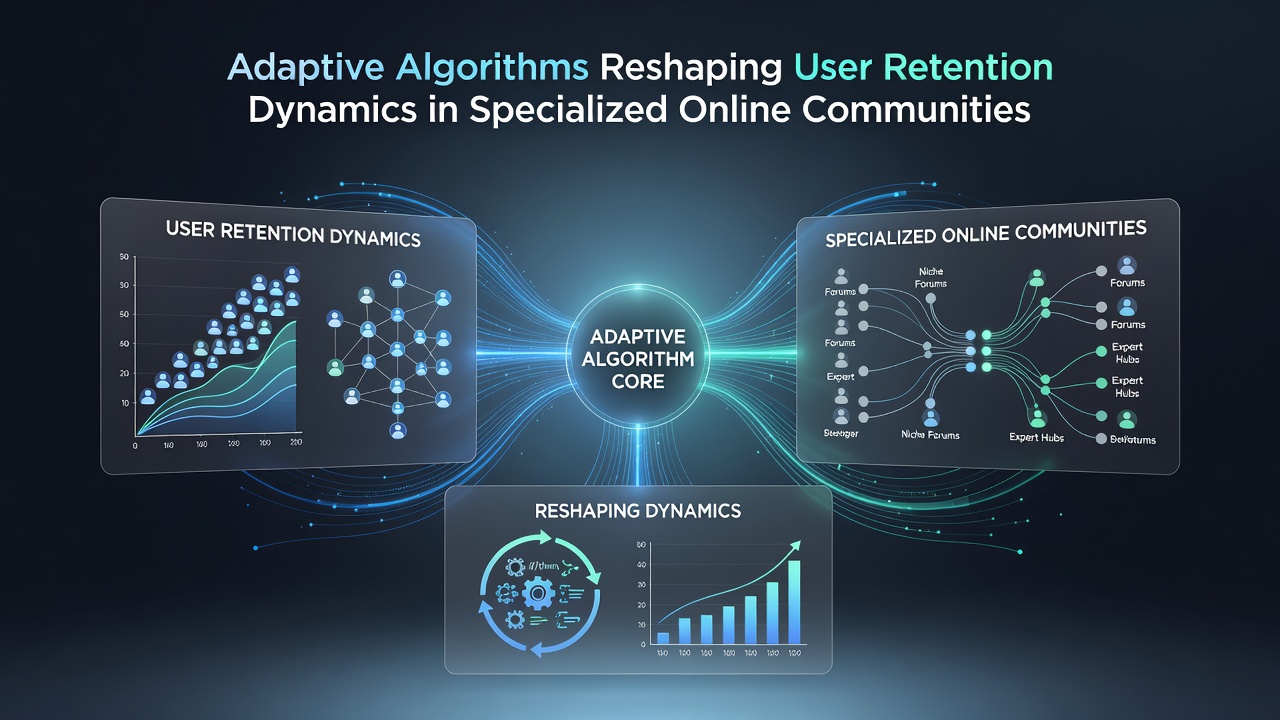
Further analysis from academic teams has examined the timing of these effects. One project spanning 2024 through mid-2026 found that personalized push notifications delivered within two hours of a user's last session produced the strongest lift in return probability, whereas delayed or generic prompts showed weaker results. The same research tracked cohorts across regions and noted comparable outcomes in both North American and Asia-Pacific user bases, suggesting the underlying dynamics operate independently of geographic variables in many cases.
Implementation Across Different Community Types
Specialized communities in areas such as open-source development, vintage automobile restoration, and scientific collaboration illustrate varied applications. In development forums, algorithms surface code snippets or issue threads based on a member's contribution history, which data indicates extends average tenure by connecting users with relevant collaborators faster. Restoration groups benefit when systems recommend parts listings or repair guides aligned with previously viewed models, and participation logs show extended discussion chains as a result.
Scientific communities apply similar logic to preprint repositories and discussion boards, where adaptive feeds prioritize papers citing a researcher's prior work or falling within cited methodologies. Reports compiled by research consortia indicate that such filtering correlates with higher citation follow-through and continued platform visits among early-career participants.
Regulatory and Technical Context Entering Late 2026
By October 2026 several oversight bodies had issued updated guidance on algorithmic transparency in digital platforms, including directives from the European Commission concerning disclosure of ranking factors and from the Australian Competition and Consumer Commission on consumer data practices. These frameworks require platforms to maintain audit trails for retention-related decisions, which in turn shapes how developers document and refine their models.
Technical standards organizations have also advanced interoperability specifications that allow smaller communities to adopt modular adaptation components without building full infrastructures from scratch. Adoption rates for these components appear higher among mid-sized forums that previously lacked dedicated data science teams, according to adoption surveys released in the same period.
Conclusion
Adaptive algorithms continue to alter retention dynamics by aligning content exposure with observed user patterns across specialized online communities. Available metrics and implementation records demonstrate that these tools produce measurable differences in return rates and session depth when applied consistently. Ongoing regulatory developments and technical standardization efforts shape the parameters within which platforms operate, while data collection from diverse community types supplies the evidence base for further refinement of these systems.